
Author: Phil Beard is a Technical Educator at ethical vitamin company Viridian Nutrition. He holds a MSc in Nutrition and Health.
Six herbs to aid sleep

Sleep is a fundamental part of life and yet a Viridian survey reveals 95% of the population suffer from a regular bad night of slumber in the UK (Viridian Nutrition, 2022).
Morello cherry, magnesium, red date extract and glycine are shown to support sleep, but herbs have also been used for centuries to aid slumber. Modern research has shown specific natural herbs offer multiple benefits for improving mental wellbeing alongside enhancing sleep.
- Ashwagandha is a well-known herb in ayurvedic medicine and in current times. Known as an adaptogen, ashwagandha is used in many conditions linked to stress. Ashwagandha contains certain metabolites that contributes to its effect on the brain and nervous system, known as Withanolides.
There are a considerable number of studies highlighting the effect that ashwagandha has on sleep. A systematic review was performed in 2021 by Cheah et al who produced a meta-analysis to determine the effects of ashwagandha on sleep. The final meta-analyses used six trials which consisted of 400 participants using between 120mg – 600mg of full spectrum ashwagandha extract for up to 12 weeks. There was a variety of sleep parameters analysed using the Pittsburgh Sleep Quality Index, actigraphy parameters (electronic devise) and Sleep Quality Scale, which included sleep onset latency, total sleep time, wake time after sleep onset, total time in bed, and sleep efficiency[1].
Results of the meta-analysis showed a positive relationship between ashwagandha and sleep, demonstrating significant improvements in sleep parameters. The most significant results were seen in those taking ≥ 600mg of the ashwagandha extract for ≥ 8 weeks.
- L-Theanine Is an amino acid derived from the leaves of green tea. The effects of L-theanine on the brain has shown some promising results. One key finding is the effect that L-theanine has on our brain waves via the generation of electrical impulses, which has been attributed towards the relaxation of the nervous system as well as an increase in mental alertness[2].
L-theanine, which has shown to improve our stress response to a stressful stimulus such as exams, has also been found to improve our sleep. In one study, the participants who were young boys with ADHD, used 400mg of L-theanine. The research showed a significant improvement in objective sleep quality. This study gives encouraging results to the impact L-theanine has on relaxing and regulating the glutamatergic (neuroexcitatory transmitter) activity in children with ADHD[3].
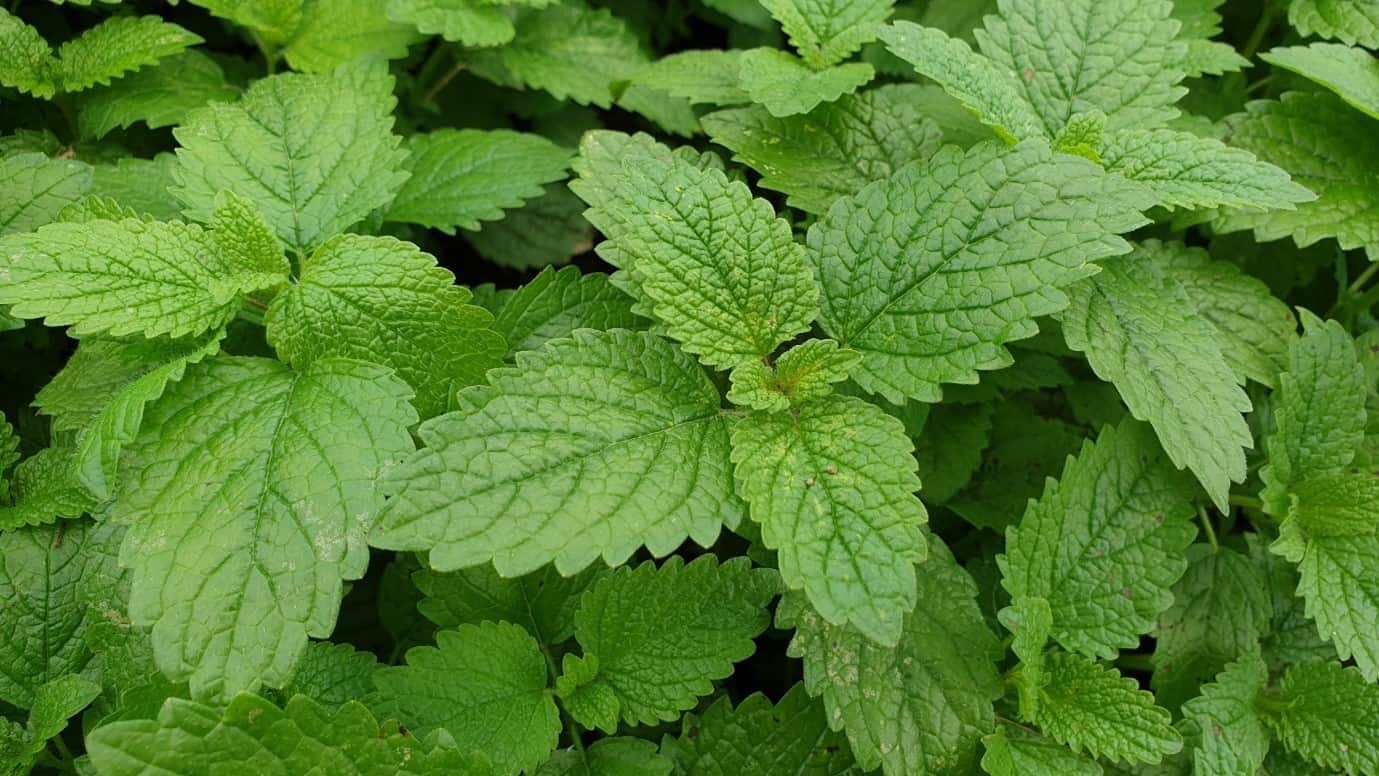 Picture caption: Viridian’s lemon balm is grown to ensure minimal impact to the planet.
Lemon balm is an herb that comes from the mint family with a slight lemon scent. Used since the 17th century, lemon balm has an array of active compounds that can aid in the treatment of wounds, mood, and clear thinking.
Lemon balm is known for its ability to enhance our memory and cognitive performance, but it can also help with insomnia and sleep disturbances. Cases et al performed a trial on lemon balm extract and the effect on mild-to-moderate anxiety disorders and sleep disturbances. Using 300mg of lemon balm extract twice daily for 15 days in 20 volunteers, the authors looked at various parameters on anxiety and sleep.
After the 15 days of treatment, anxiety was reduced by 15% in all participants, but insomnia saw a 42% reduction in symptoms giving a clinically significant treatment response. The mechanism shown was the ability of lemon balm to enhance GABA. GABA is a key chemical messenger that is responsible for regulation of nerve impulses and one of the main neurotransmitters that regulates sleep due to its sedative action. Via the mechanism lemon balm seems to exert on GABA, there is a potential effect on the improvement of anxiety symptoms as well as the knock-on effect in the improvement of insomnia symptoms[4].
- Valarian root, found natively in Asia and Europe, has been used extensively for the treatment of sleep disturbances and is one of the most commonly used sleep-enhancing herbs.
Valarian root provides a variety of compounds that offer synergistic effects, mainly due to their ability to work on GABA receptors throughout the body. Two compounds known as valerenic acid and valerenol may modulate the amount of GABA available. What’s more valerenic acid has shown to inhibit an enzyme responsible for the breakdown of GABA.
Shinjyo et al wanted to understand what the research has said about Valarian root and its impact on sleep problems and associated disorders, so performed a systematic review and meta-analysis. In total 60 studies met the inclusion criteria, totalling over 6,800 participants of which 10 studies looked directly at the improvement in subjective sleep quality. The authors’ results found a positive relationship between valarian root on sleep and associated disorders via its effect on GABA receptors and serotonergic activity. One key finding was the quality of extract played a significant role on the effect valerian root had on its ability to improve sleep[5].
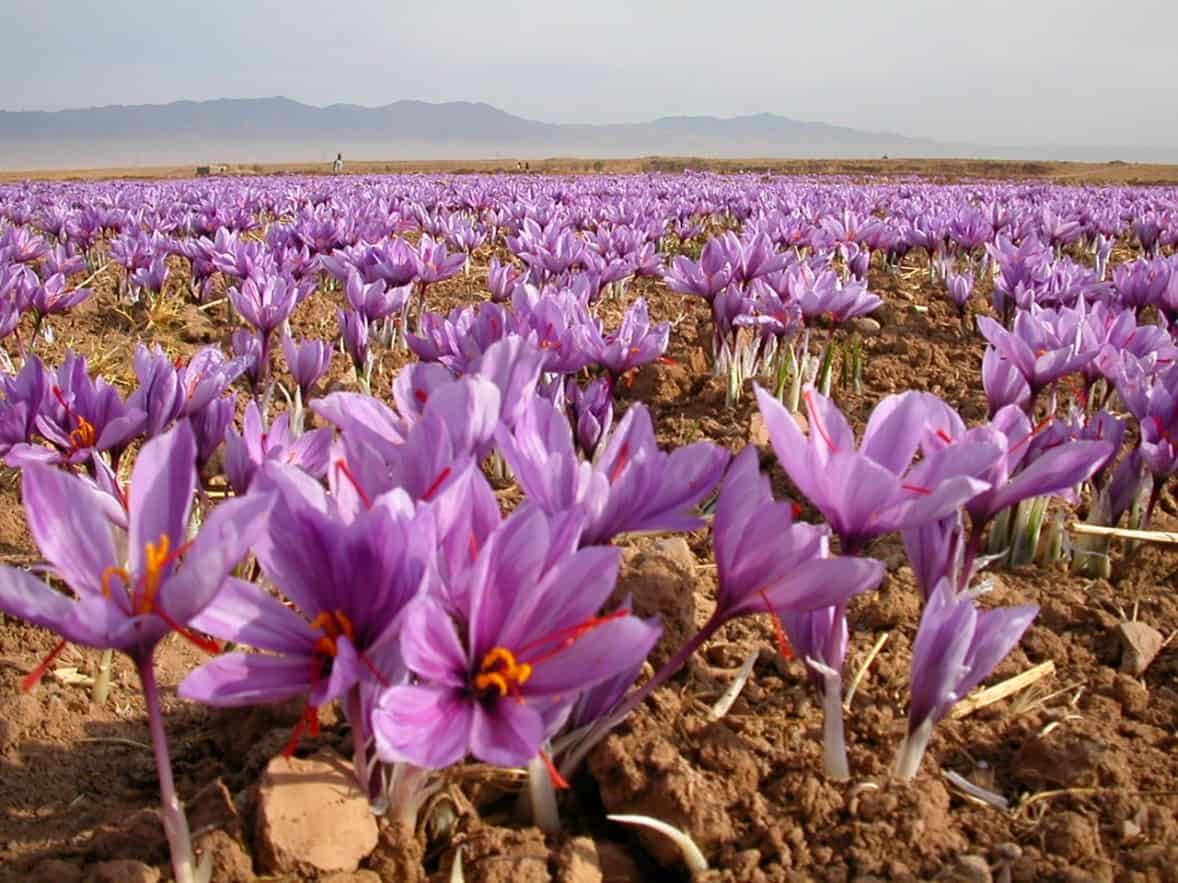 Picture caption: Sustainably grown saffron is used in Viridian’s formulations.
- Saffron has historically been used to improve mood and mental health. Known to be more expensive than gold, this herb has a number of potential benefits linked to sleep and associated conditions. The two major active compounds that exert many of the beneficial effects are known as crocin and safranal which are also responsible for the deep red colour of Saffron[6].
In a randomised double blind controlled trial Packikian et al tested the impact of 15mg of saffron extract in 66 individuals with mild to moderate sleep disorders linked with anxiety for six weeks. To measure the effect, actigraphy measurements were performed as well as a series of questionaries to ascertain the effect of saffron extract on sleep parameters. The results showed a significant improvement on the length of time spent in bed, and an increase in getting to sleep when comparing the saffron group with the placebo[7].
- Griffonia Simplicifola – is an abundant African shrub that is fully sustainable and a natural source of 5-hydroxytryptophan (5-HTP). 5-HTP is a nutrient that is found at low levels in the central nervous system where it is synthesised from tryptophan in the gut or once past the blood-brain-barrier is converted into serotonin. Low levels of 5-HTP can be linked with low levels of dietary tryptophan and even increased level of stress or inflammation. When made in the brain, serotonin is directly linked to the regulation of mood via its action as a neurotransmitter. 5-HTP has a direct link between mood regulation with low levels being directly implicated with the regulation of mood and sleep[8].
5-HTP and sleep is linked with the regulation of melatonin via its serotonin action leading to melatonin production.
Under normal circumstances the production of serotonin and melatonin is produced at the commencement of sleep. Melatonin known as our ‘sleep hormone’ slows our bodily processes down in preparation to sleep.
5-HTP is inherently linked to sleep via its action with melatonin and serotonin. One study on 12 individuals looked at the effect of brain serotonin levels after administration of 5-HTP. Researchers found a significant increase in rapid eye movement (REM). REM is linked with an increase in sleep and is the stage where vivid dreams occur. The results saw an increase from 5% to 53% when compared with placebo, highlighting the role serotonin has on sleep and associated disorders[9].
Conclusion
Getting regular amounts of sleep is an essential part of our lives and poor quality, insufficient slumber can impact our mental well-being and physical health. Research has shown specific herbs can provide a natural alternative to aiding sleep and offer other multiple health benefits. For optimal health, these herbs can be used alongside practical lifestyle habits.
Viridian Nutrition, 2022. How to sleep better using nutrition. [Online]
Available at: https://www.viridian-nutrition.com/blog/news/how-to-sleep-better-using-nutrition
[1] Cheah KL, Norhayati MN, Husniati Yaacob L, Abdul Rahman R. Effect of Ashwagandha (Withania somnifera) extract on sleep: A systematic review and meta-analysis. PLoS One. 2021 Sep 24;16(9): e0257843. doi: 10.1371/journal.pone.0257843. PMID: 34559859; PMCID: PMC8462692.
[2] Gomez-Ramirez, M.; Higgins, B.A.; Rycroft, J.; Owen, G.N.; Mahoney, J.; Shpaner, M.; Foxe, J.J. The deployment of intersensory selective attention: A high-density electrical mapping study of the effects of theanine. Clin. Neuropharmacol. 2007, 30, 25–38.
[3] yon MR, Kapoor MP, Juneja LR. The effects of L-theanine (Suntheanine®) on objective sleep quality in boys with attention deficit hyperactivity disorder (ADHD): a randomized, double-blind, placebo-controlled clinical trial. Altern Med Rev. 2011 Dec;16(4):348-54. PMID: 22214254.
[4] Cases, J., Ibarra, A., Feuillère, N., Roller, M., & Sukkar, S. G. (2011). Pilot trial of Melissa officinalis L. leaf extract in the treatment of volunteers suffering from mild-to-moderate anxiety disorders and sleep disturbances. Mediterranean journal of nutrition and metabolism, 4(3), 211–218. https://doi.org/10.1007/s12349-010-0045-4
[5] Shinjyo, N., Waddell, G., & Green, J. (2020). Valerian Root in Treating Sleep Problems and Associated Disorders-A Systematic Review and Meta-Analysis. Journal of evidence-based integrative medicine, 25, 2515690X20967323. https://doi.org/10.1177/2515690X20967323
[6] Jackson PA, Forster J, Khan J, Pouchieu C, Dubreuil S, Gaudout D, Moras B, Pourtau L, Joffre F, Vaysse C, Bertrand K, Abrous H, Vauzour D, Brossaud J, Corcuff JB, Capuron L and Kennedy DO (2021) Effects of Saffron Extract Supplementation on Mood, Well-Being, and Response to a Psychosocial Stressor in Healthy Adults: A Randomized, Double-Blind, Parallel Group, Clinical Trial. Front. Nutr. 7:606124. doi: 10.3389/fnut.2020.606124
[7] Pachikian, B. D., Copine, S., Suchareau, M., & Deldicque, L. (2021). Effects of Saffron Extract on Sleep Quality: A Randomized Double-Blind Controlled Clinical Trial. Nutrients, 13(5), 1473. https://doi.org/10.3390/nu13051473
[8] Wichers, M.C., Maes, M., 2004, The role of indoleamine 2,3-dioxygenase (IDO) in the pathophysiology of interferon-alpha-induced depression. J Psychiatry Neurosci. 29(1):11-7.
[9] Wyatt, R.J., et al, 1971, Effects of 5-hydroxytryptophan on the sleep of normal human subjects, Electroencephalography and Clinical Neurophysiology, 30(6):505-509.