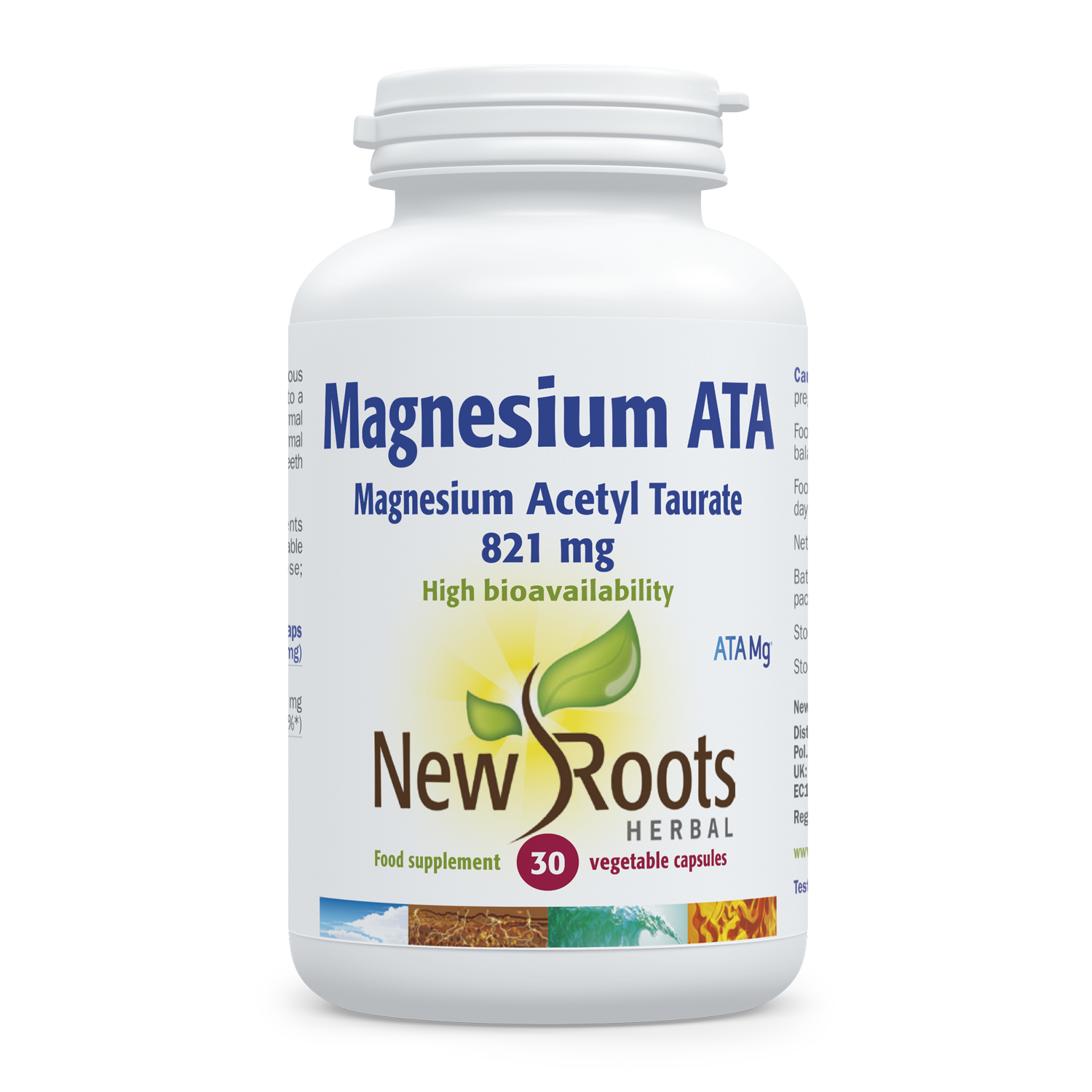
Magnesium ATA is in a category of its own when it comes to neurological support.
What makes it clinically distinctive is its lipophilic structure, achieved through acetylation of the taurine molecule. This enables it to cross the blood-brain barrier and concentrate directly within neuronal tissue, something most magnesium forms cannot readily achieve.
In comparative studies, brain tissue magnesium levels were significantly higher with Magnesium ATA at the 8-hour mark than with other forms tested. The taurine component is not simply a carrier; it also acts as a co-active neuromodulator that naturally declines with age.
Magnesium ATA has been shown to support GABA upregulation, modulate NMDA receptor activity, and reduce neuroinflammatory cytokines including IL-1β, TNF-α, and IL-6.
Clinical applications may include:
- Anxiety, chronic stress, and HPA axis dysregulation
- Migraines and neurological headaches
- PMS with mood, cognitive, or neurological symptoms
- Poor sleep architecture, particularly early waking or cortisol-driven insomnia
- Brain fog, memory concerns, and healthy cognitive ageing support
- Support during recovery from traumatic brain injury